VINCIT QUI PATITUR VINTAGE TEE
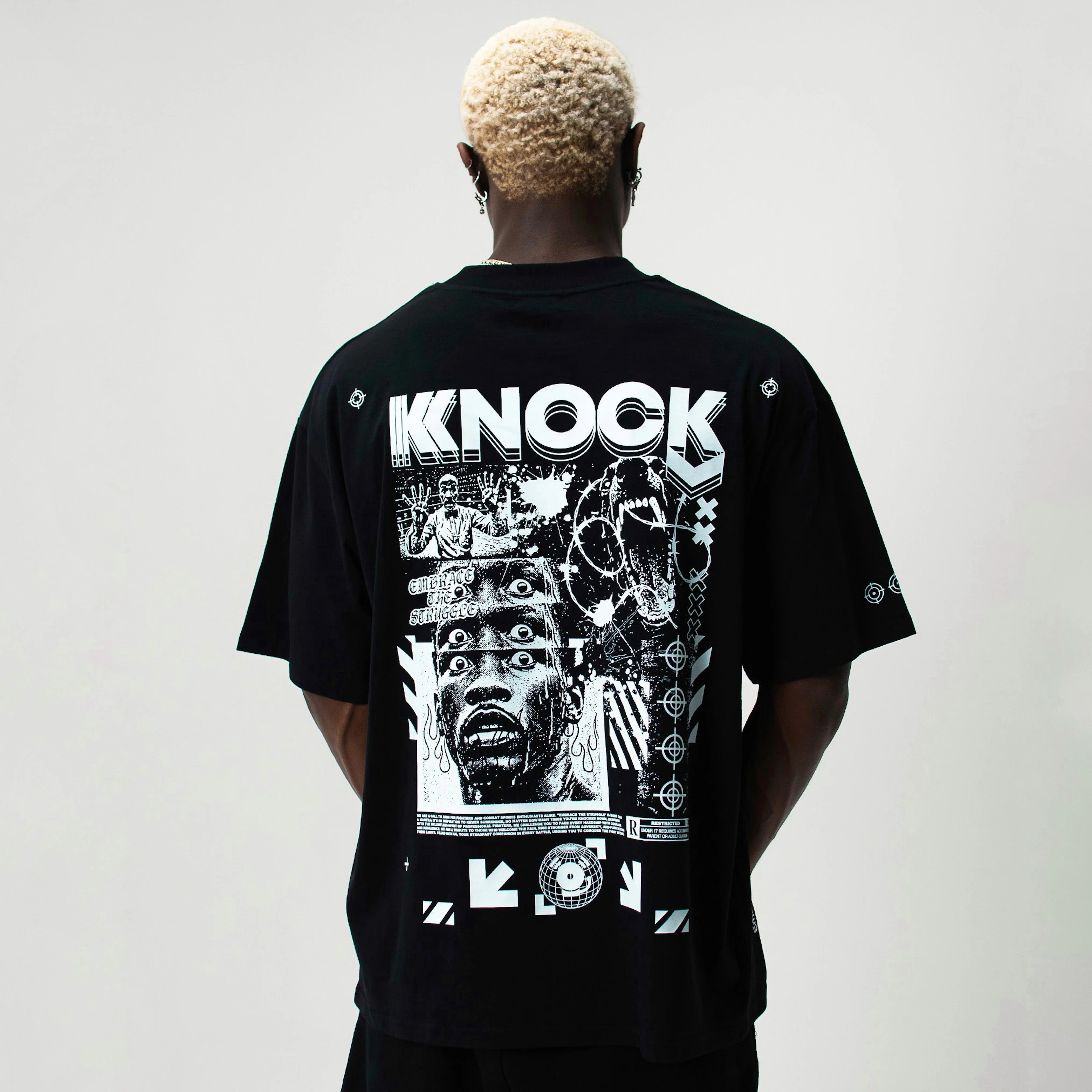
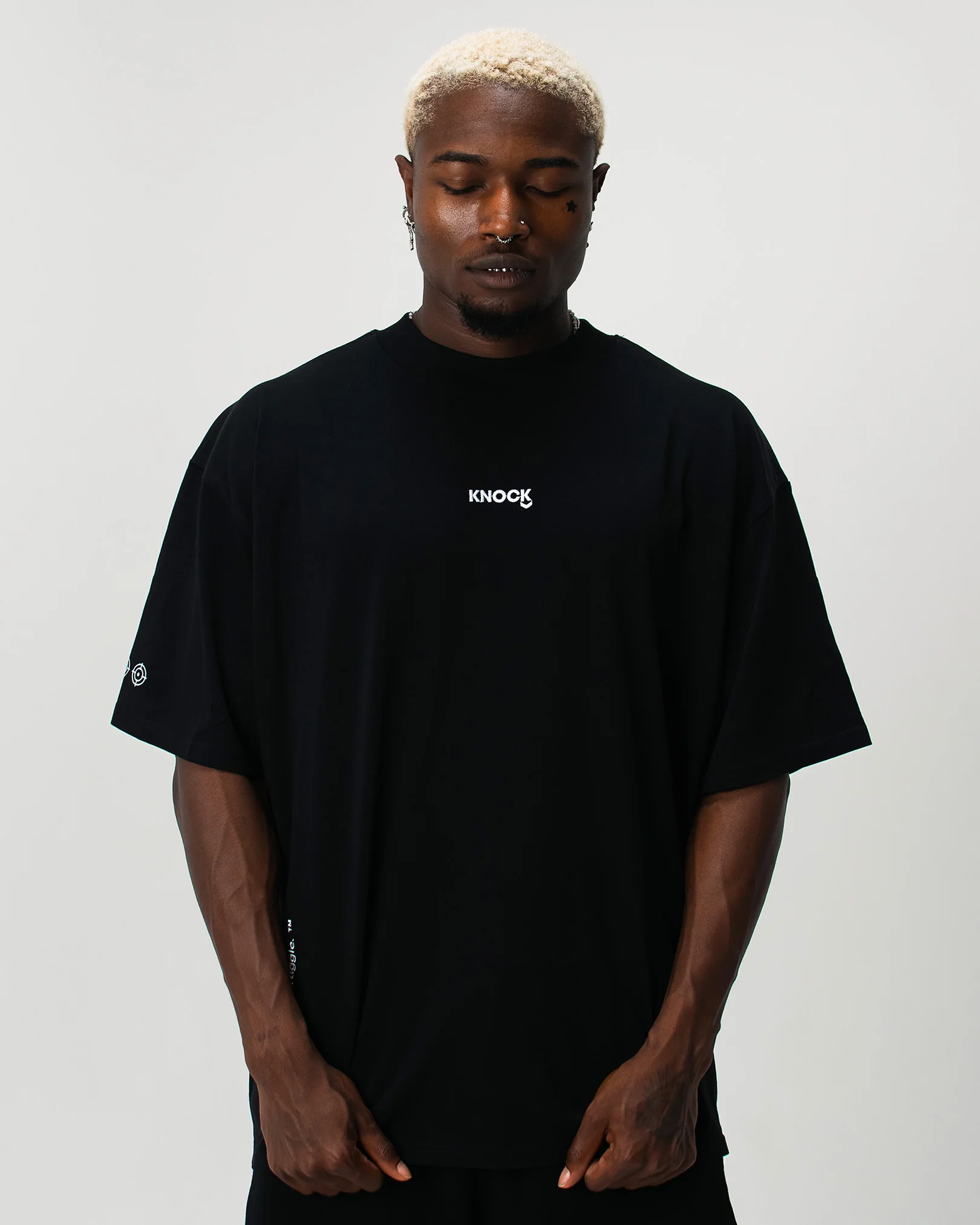
MALE MODEL IS 178CM , WEARING SIZE L.
VINCIT QUI PATITUR - “He Who Endures, Conquers”
Knockdown Wear Original Design
The Story Behind the Design
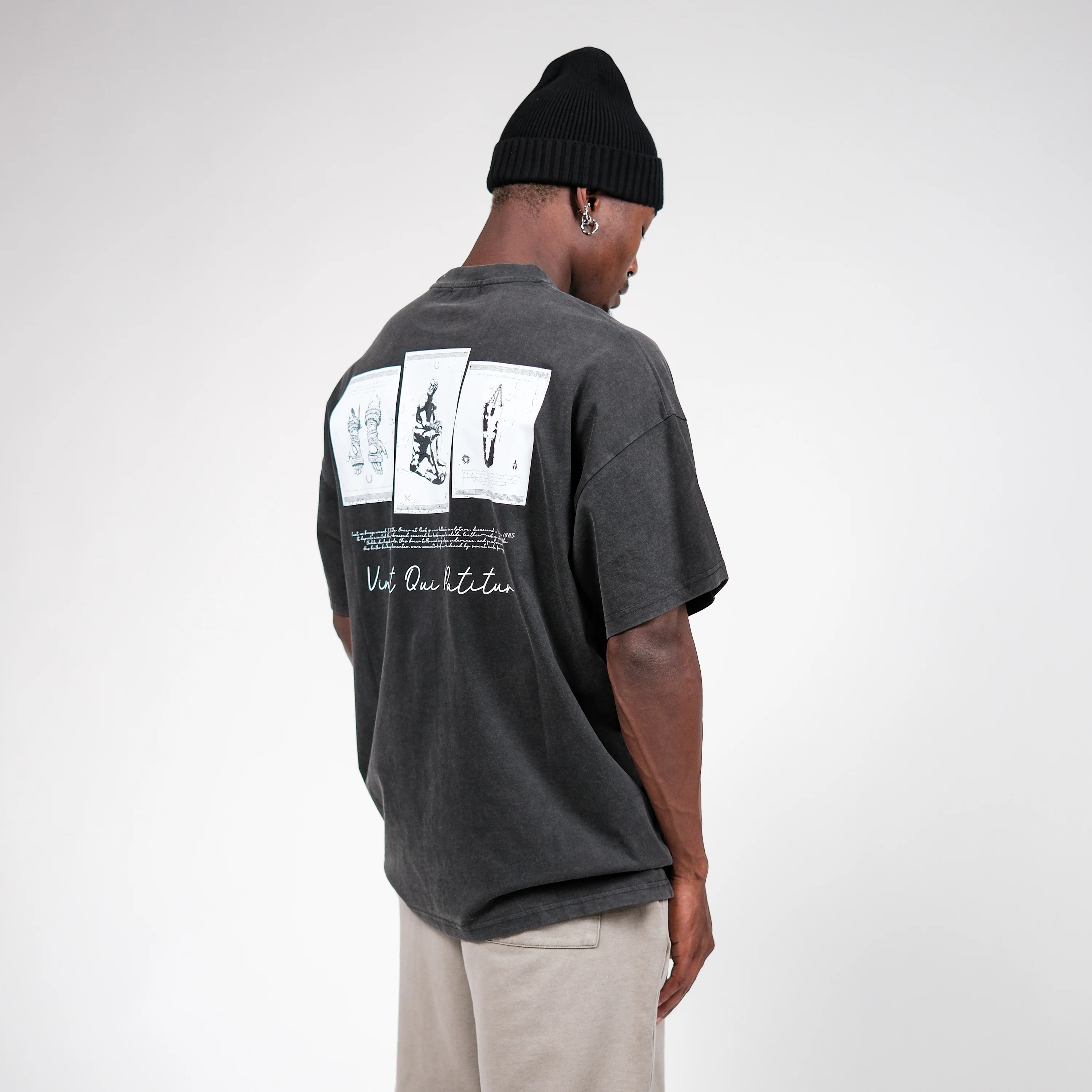
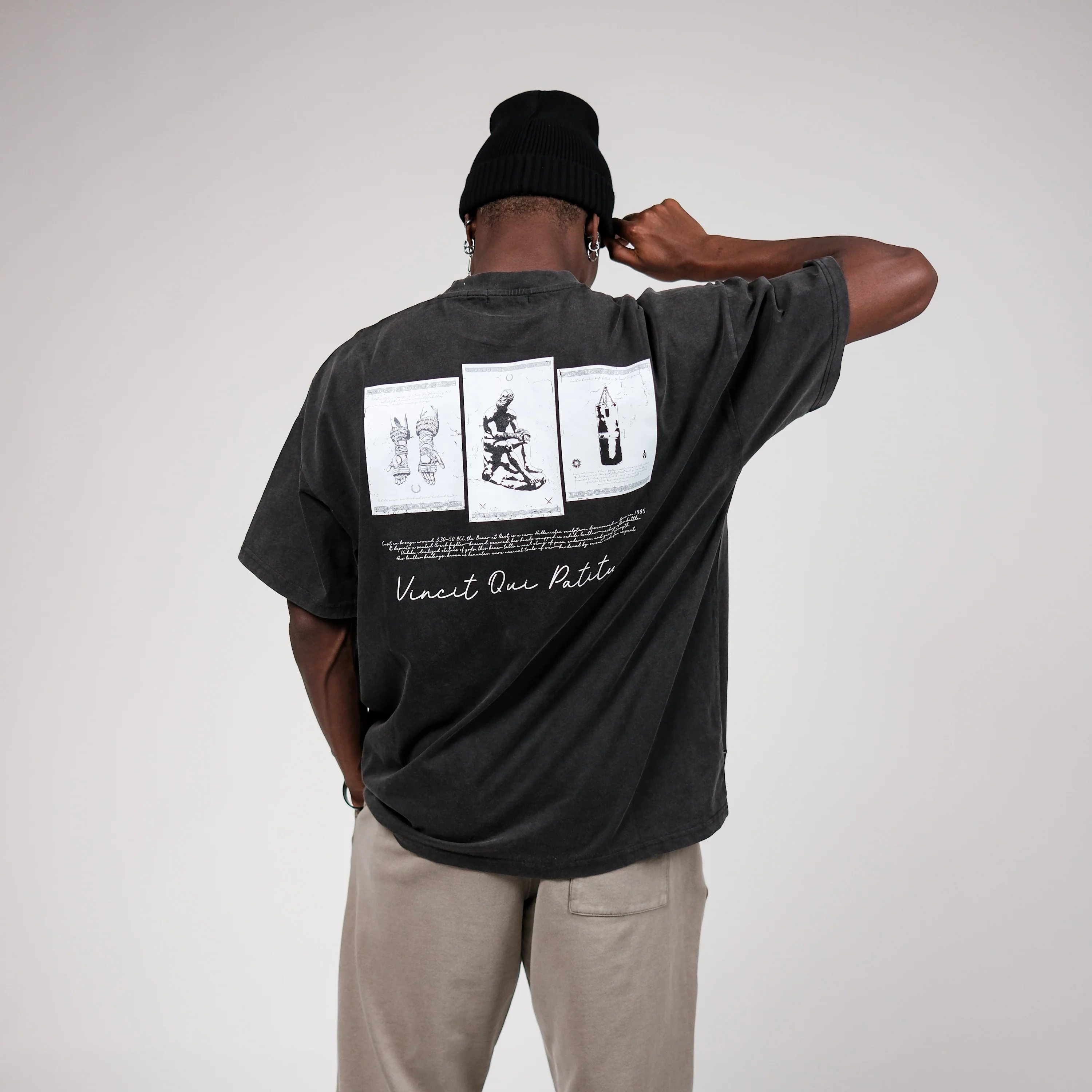
The Vincit Qui Patitur design is inspired by one of the most extraordinary masterpieces of ancient art - The Boxer at Rest, a Hellenistic bronze statue discovered in 1885 on the Quirinal Hill in Rome.

Now displayed at the Museo Nazionale Romano, this sculpture captures a battle-worn fighter, sitting after a brutal contest - his hands wrapped in ancient leather bands, his body scarred, his ears swollen, his gaze calm yet powerful.

At the moment of its discovery, archaeologist Rodolfo Lanciani described the experience as “the sight of a magnificent specimen of a semi-barbaric athlete, awakening from a long repose after his gallant fights.”
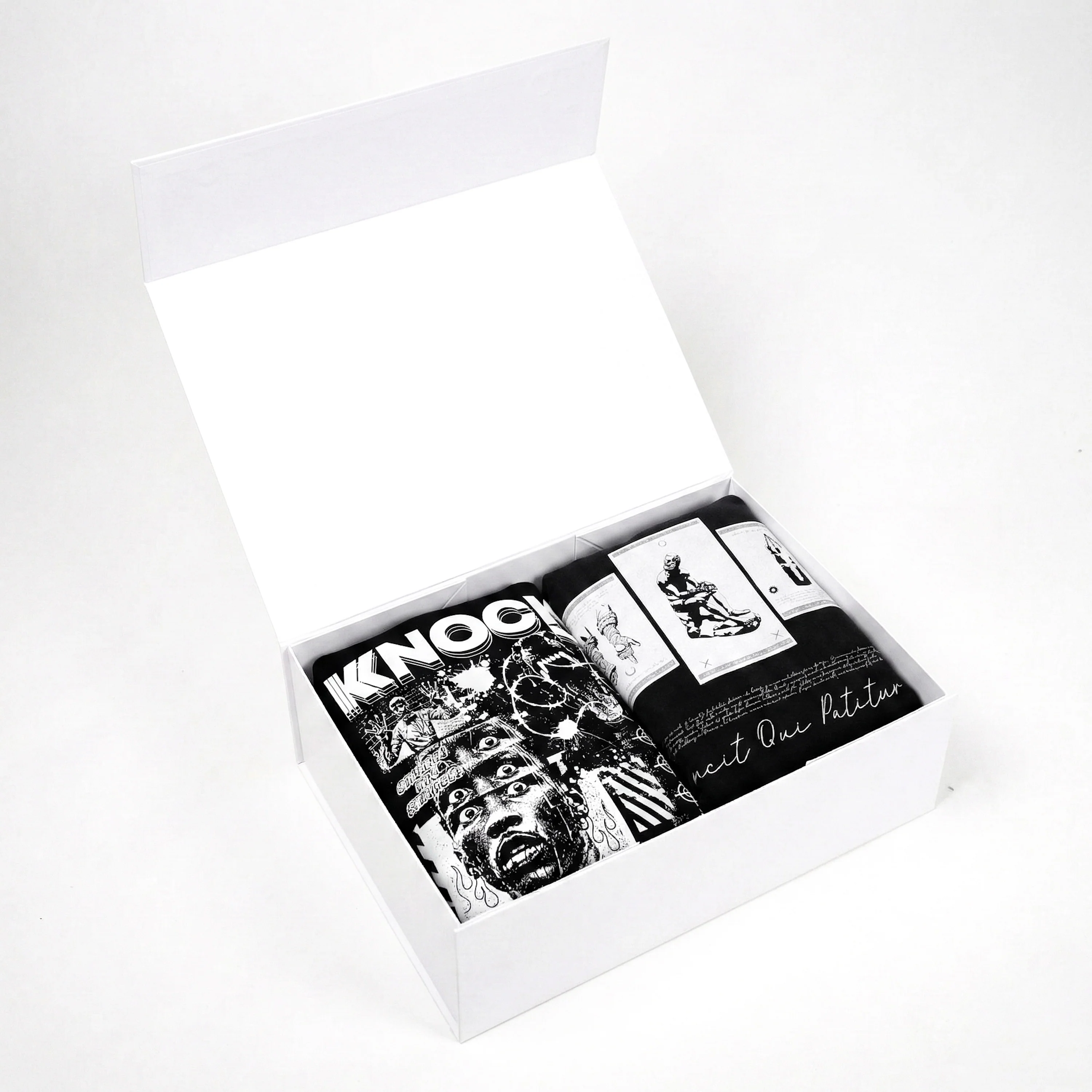
In the design, these bandaged hands are intertwined with rough ropes, symbolizing the raw struggle and discipline that tie a fighter to his craft. Alongside them stands an old-school leather punching bag, reminiscent of those used by early 20th-century boxers - heavy, worn, and filled with sawdust or sand - a tribute to the timeless training grounds of warriors.
It’s not just a statue - it’s a story of discipline, pain, and endurance that transcends time.
Original: $94.00
-65%$94.00
$32.90More Images

VINCIT QUI PATITUR VINTAGE TEE
MALE MODEL IS 178CM , WEARING SIZE L.
VINCIT QUI PATITUR - “He Who Endures, Conquers”
Knockdown Wear Original Design
The Story Behind the Design
The Vincit Qui Patitur design is inspired by one of the most extraordinary masterpieces of ancient art - The Boxer at Rest, a Hellenistic bronze statue discovered in 1885 on the Quirinal Hill in Rome.
Now displayed at the Museo Nazionale Romano, this sculpture captures a battle-worn fighter, sitting after a brutal contest - his hands wrapped in ancient leather bands, his body scarred, his ears swollen, his gaze calm yet powerful.
At the moment of its discovery, archaeologist Rodolfo Lanciani described the experience as “the sight of a magnificent specimen of a semi-barbaric athlete, awakening from a long repose after his gallant fights.”
In the design, these bandaged hands are intertwined with rough ropes, symbolizing the raw struggle and discipline that tie a fighter to his craft. Alongside them stands an old-school leather punching bag, reminiscent of those used by early 20th-century boxers - heavy, worn, and filled with sawdust or sand - a tribute to the timeless training grounds of warriors.
It’s not just a statue - it’s a story of discipline, pain, and endurance that transcends time.
Product Information
Product Information
Shipping & Returns
Shipping & Returns
Description
MALE MODEL IS 178CM , WEARING SIZE L.
VINCIT QUI PATITUR - “He Who Endures, Conquers”
Knockdown Wear Original Design
The Story Behind the Design
The Vincit Qui Patitur design is inspired by one of the most extraordinary masterpieces of ancient art - The Boxer at Rest, a Hellenistic bronze statue discovered in 1885 on the Quirinal Hill in Rome.
Now displayed at the Museo Nazionale Romano, this sculpture captures a battle-worn fighter, sitting after a brutal contest - his hands wrapped in ancient leather bands, his body scarred, his ears swollen, his gaze calm yet powerful.
At the moment of its discovery, archaeologist Rodolfo Lanciani described the experience as “the sight of a magnificent specimen of a semi-barbaric athlete, awakening from a long repose after his gallant fights.”
In the design, these bandaged hands are intertwined with rough ropes, symbolizing the raw struggle and discipline that tie a fighter to his craft. Alongside them stands an old-school leather punching bag, reminiscent of those used by early 20th-century boxers - heavy, worn, and filled with sawdust or sand - a tribute to the timeless training grounds of warriors.
It’s not just a statue - it’s a story of discipline, pain, and endurance that transcends time.